Sunday, November 1, 2026Independent perspectives. Everyday impact.The economy at a glance
Give It Back FOR JOBS

The economy,
in human terms.

SearchRead the latest ↗
THE PUBLICATION

Cost of Living

Prices and paychecks, from the supermarket to the rent.

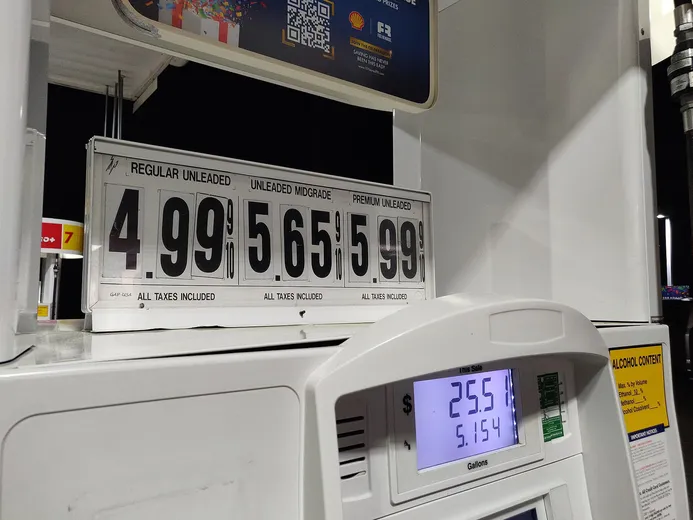
How Gas Prices Can Move the Monthly Inflation Number

Gasoline’s share of household spending lets a sharp pump-price swing move the overall CPI, even while other prices barely change. The index records the retail price consumers pay, while crude oil, refining, distribution and taxes help explain how that price is formed.

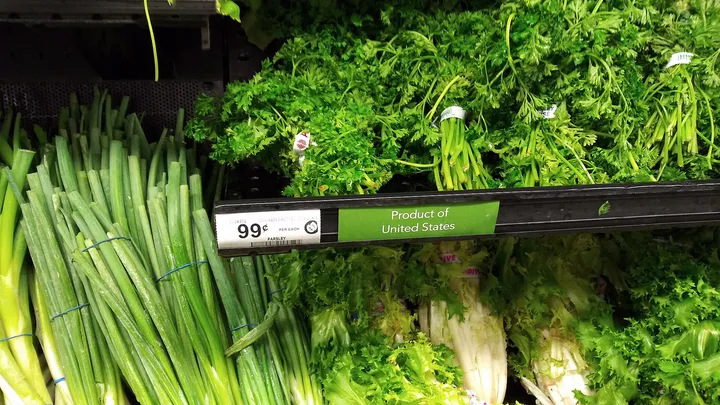
Why Grocery Inflation Can Differ From Restaurant Inflation

Grocery and restaurant prices follow different paths because they cover different purchases and costs. The CPI separates them, and its September 2026 figures show why one food average can conceal the split—and why neither measure exactly matches a household’s own bill.

What Does a Cost-of-Living Index Actually Measure?

A price index tracks changes in a representative basket of consumer purchases. A full measure of the cost of maintaining well-being would also have to account for public services, environmental conditions and differences among households.

Why Housing Has Such a Large Place in Inflation Reports

CPI shelter measures changes in housing services, including rent and an estimated rental value for owner-occupied homes. That makes the index useful for tracking consumption costs, but different from home prices, mortgage bills or any one household’s experience.

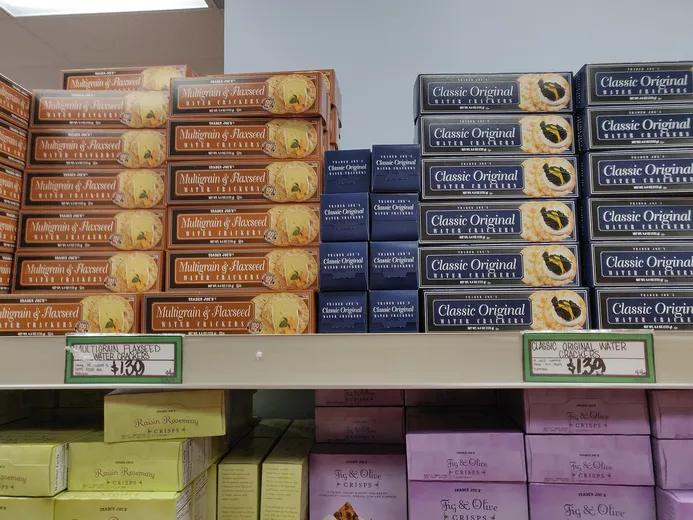
What Goes Into the Consumer Price Index Basket?

The CPI tracks prices for consumer goods and services across eight broad groups. Its boundaries include purchase-linked sales and excise taxes but exclude income taxes and investments, so the index does not mirror every household’s budget.

Why Core Inflation Leaves Out Food and Energy

Core inflation filters out food and energy to make underlying price patterns easier to see. Headline inflation still matters because households buy groceries and fuel, and the two measures answer different questions.

Why a price index needs a base period

A base period sets an index to 100 so later levels can show relative price movement. Percent changes, calculated against the earlier index level, make comparisons meaningful across items and time.

Disinflation means prices can keep rising, only more slowly

Disinflation is a slowdown in the rate of price increases, not a return to earlier prices. A hypothetical grocery item shows how inflation, disinflation and deflation differ, while September’s CPI illustrates how a national average can move differently from individual bills.