Sunday, November 1, 2026Independent perspectives. Everyday impact.The economy at a glance
Give It Back FOR JOBS

The economy,
in human terms.

SearchRead the latest ↗
THE PUBLICATION

Cost of Living

Prices and paychecks, from the supermarket to the rent.

Why the CPI Tracks Purchases but Not Investment Gains

The CPI measures average price changes for goods and services consumers buy, so it includes everyday expenses such as food and rent but excludes investment assets such as stocks and real estate. Those prices matter to household finances, but answer a different economic question.

How a Price Index Turns Many Purchases Into One Number

A price index combines price changes across a weighted basket of goods and services. Understanding how the basket is built, whose spending it represents, and what it leaves out explains why the index is useful without matching every household’s experience.

What a Housing Cost Burden Measure Can Show

A housing-cost burden measure helps researchers compare housing costs with household resources. It can frame questions about rent, utilities, and other needs, but a dataset description alone does not establish a current national rate or explain any one household’s finances.

Why a Cost-of-Living Adjustment Is Not the Same as a Raise

A cost-of-living adjustment is designed to help pay keep pace with a broad measure of consumer prices. An ordinary raise can reward work, change a salary’s market position or reflect an employer’s budget. Because households spend differently, an index-linked adjustment may still leave someone’s own costs rising faster than their income.

Why Inflation Data Can Be Revised or Superseded

Price indexes are estimates built from incoming records and methods that can be updated. The BEA preserves dated releases while its current series reflects later information, so readers should distinguish a release’s original snapshot from the latest estimate.

Why Inflation Comparisons Depend on the Time Period

Monthly CPI changes show the latest seasonally adjusted movement, while the 12-month rate compares today’s unadjusted index with its level a year earlier. The two measures can diverge when prices jump or ease unevenly, so each answers a different question.

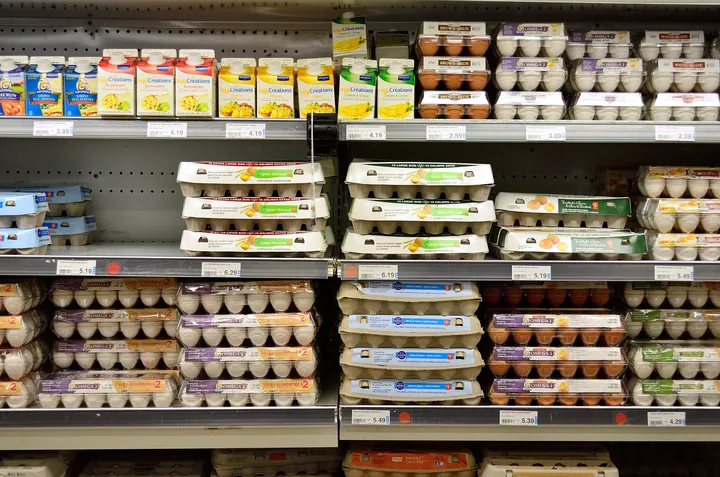
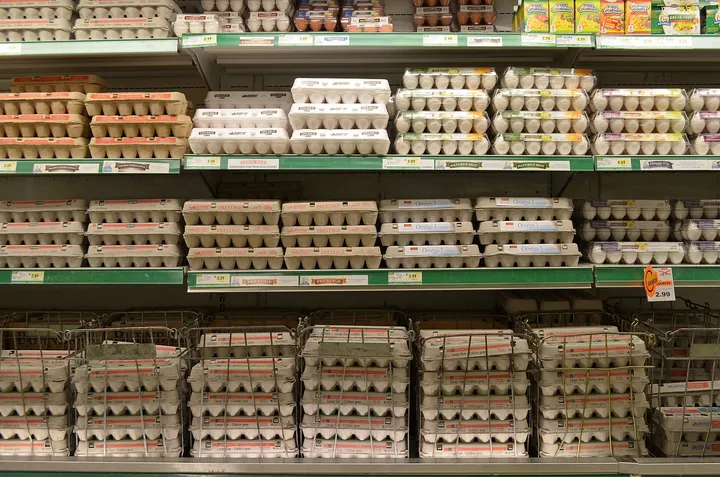
How Inflation Can Rise Even When Grocery Prices Are Flat

The overall CPI combines price changes across a weighted basket of goods and services. In September 2026, falling grocery prices did not offset higher gasoline, shelter and other costs, so the all-items index rose. That measure describes an average, not every household’s spending experience.