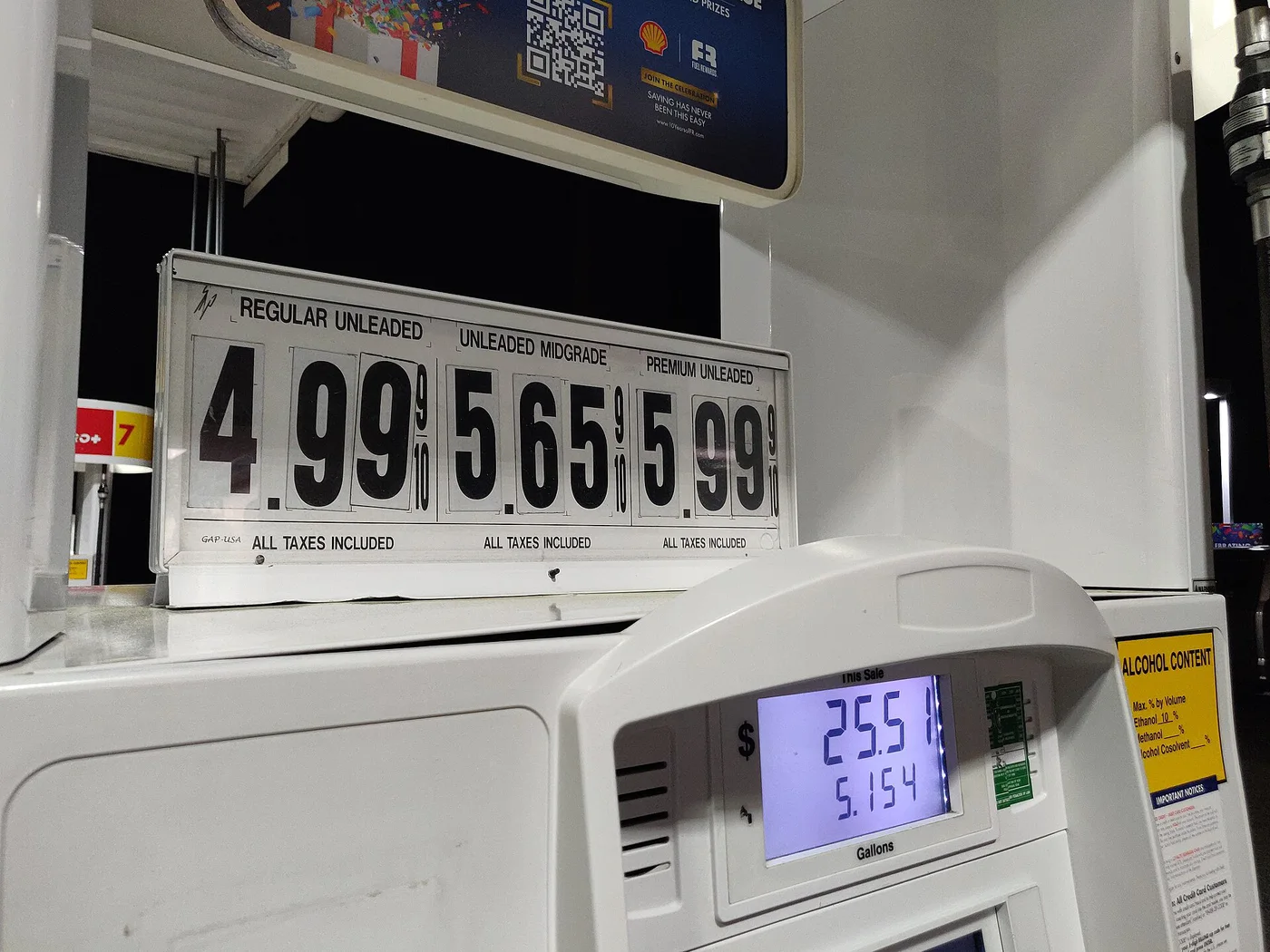
A household can spend more at the pump and less on a natural-gas heating bill in the same month. That is not a contradiction in the Consumer Price Index: its energy category combines several distinct prices, and the parts do not have to move together. In September 2026, gasoline rose sharply, electricity edged up, and piped gas service declined. The overall energy index climbed because the increases—especially gasoline—outweighed the decline. The index describes average price change across a weighted basket, not any one household’s energy bill.
One category, three different purchases
The CPI groups energy commodities, such as gasoline and fuel oil, separately from energy services, which include electricity and utility (piped) gas service. The broad energy index brings these components together. That makes it useful for tracking average change across consumer energy spending, but it can obscure the direction of a particular bill. Bureau of Labor Statistics
Gasoline is generally a purchase made at the pump, often in repeated transactions tied to driving. Electricity and piped gas are household services billed over a period and used for purposes such as lighting, appliances, cooking, or heating. A driver who heats with natural gas therefore has exposure to separate parts of the index, with different prices and spending patterns. Bureau of Labor Statistics
September’s increase came mainly from the pump
In the September 2026 CPI, the energy index rose 5.2% from August. Gasoline increased 9.1% over the month and was the largest force among the components described in the release. Electricity rose 0.2%, while utility piped gas service fell 0.3%. The combined index rose even though the gas-service component declined. Bureau of Labor Statistics
Those are changes in price indexes, not a statement that every driver paid 9.1% more at the pump or that every gas customer’s bill fell 0.3%. The CPI tracks average price change for a representative basket, using weights that reflect spending patterns. A household’s bill also depends on how much energy it uses and the prices available where it lives. Bureau of Labor Statistics
Why gasoline can move on its own
Retail gasoline prices have several ingredients: crude oil, taxes, refining costs and profits, and distribution and marketing. Crude oil is the largest component, but the shares and local prices vary. Refining costs can also shift with seasonal demand and with requirements for different gasoline formulations in different regions. U.S. Energy Information Administration
Local station prices can diverge, too. The EIA notes that rent, wages, insurance, supply sources, nearby competitors, and a retailer’s pricing strategy all affect the cost of doing business. These mechanisms help explain why a nationwide gasoline index can change differently from regulated or utility-provided household services. They do not, by themselves, identify the cause of a particular month’s national increase. U.S. Energy Information Administration
Read the number against your own use
Imagine, hypothetically, a household that drives to work and heats with piped natural gas. If pump prices rise while its utility’s gas rate slips, the household may still pay more overall if the added fuel cost exceeds any savings on the bill. If it drives little, the same national gasoline movement may matter less. The example illustrates different exposure; it is not a calculation of any real household’s spending.
The CPI can answer whether prices in its energy basket rose on average, and its component indexes can show which categories moved. It cannot establish that a particular family’s energy costs rose by the same percentage. For a useful comparison, separate gasoline spending from electricity and piped gas bills, and consider both price changes and quantities used. A headline for the combined index is a summary, not a household budget. Bureau of Labor Statistics
Sources & further reading
- September 2026 Consumer Price Index ↗Bureau of Labor Statistics
- Gasoline explained: factors affecting prices ↗U.S. Energy Information Administration
- Consumer Price Index questions and answers ↗Bureau of Labor Statistics