Sunday, November 1, 2026Independent perspectives. Everyday impact.The economy at a glance
Give It Back FOR JOBS

The economy,
in human terms.

SearchRead the latest ↗
THE PUBLICATION

Business

Small firms, investment, and the people building businesses.

BusinessExplainer

Buying an Existing Business Versus Starting From Scratch

Buying a business may bring customers, equipment and established routines; starting one gives an owner the chance to shape the operation from the beginning. Either route requires research into demand, costs, competition, financing and business structure before commitments are made.

BusinessExplainer

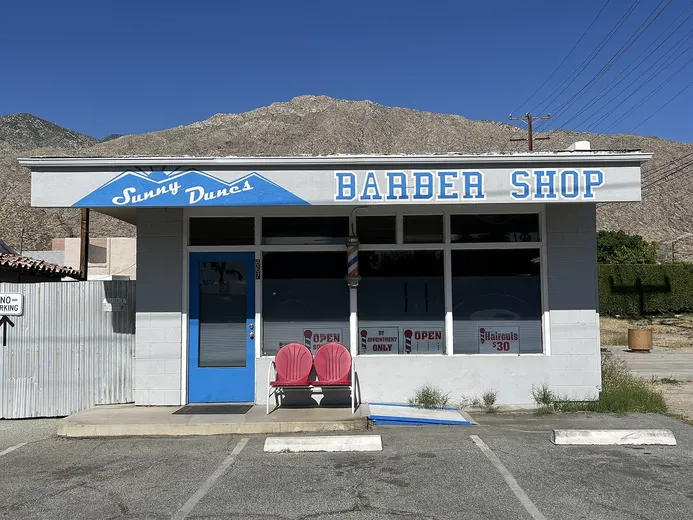
A Home-Based Business Still Has a Location

Working from a residential kitchen can reduce some startup costs, but home businesses still operate within a place. Local rules, customer geography, and expenses all shape the decision.

BusinessExplainer

How a Small Business Can Find Customers Beyond Its Home Market

Selling abroad begins with a specific customer and a workable route to serve them, not a national trade headline. A small maker can investigate demand, competitors, pricing and operating costs market by market, then test whether foreign orders fit its production and sales plan. U.S. trade totals describe the country’s flows, not one firm’s prospects.

BusinessExplainer

How a business tests demand with a small first offer

A limited offer can reveal whether a defined customer group will take a concrete step toward buying. Its value comes from measuring behavior and costs, while recognizing that a brief test cannot establish lasting demand or profitable growth.

BusinessExplainer

When one big customer becomes a business risk

A large account can steady sales and make planning easier, but reliance on it leaves a business exposed if the buyer cuts orders or changes suppliers. Customer concentration is best managed by testing how a lost account would affect cash flow and building alternatives over time.

BusinessExplainer

Bootstrapping and borrowing put startup risks in different places

Self-funding keeps financing decisions and ownership closer to the founder, but limits available cash to personal resources and business receipts. Borrowing can bring money forward while adding repayment obligations. A useful comparison starts with startup costs, cash needs and the consequences of a slower-than-planned launch.