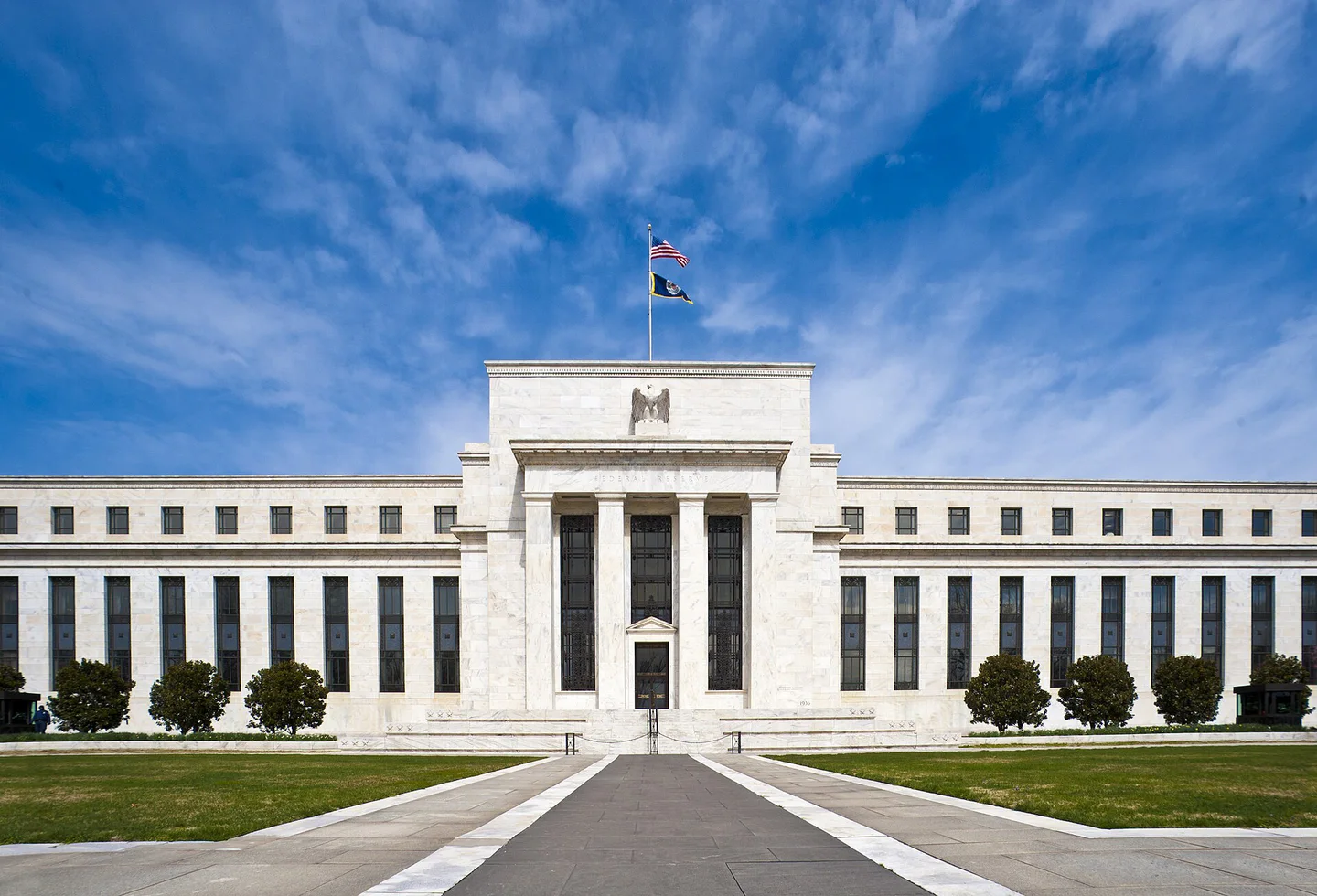
The Federal Reserve left its federal funds target range at 3.75% to 4% on October 28, approving the decision by a 10–2 vote. Its statement described economic activity as expanding at a strong pace, with resilient domestic spending and robust capital investment, while saying inflation remained elevated. That combination helps explain the policy tension: the central bank is weighing price stability alongside maximum employment. The decision sets a short-term policy rate range; it does not dictate every borrowing rate households and businesses face.
The decision and its stated reasoning
The Federal Open Market Committee voted 10–2 to maintain the target range at 3.75% to 4% Federal Reserve. The statement said economic activity was expanding at a strong pace, domestic spending was resilient, productivity growth was strong and capital investment was robust. It also said job gains had kept pace with the workforce and unemployment had changed little, while inflation remained elevated Federal Reserve.
Two members, Lisa D. Cook and Beth M. Hammack, dissented because they preferred a quarter-point increase at the meeting Federal Reserve. That disagreement makes clear that the committee did not have a unanimous view of the appropriate setting. The statement said more information would help the committee determine a policy stance suited to a timely return of inflation to its 2% goal Federal Reserve. It did not announce a future move or a schedule for one.
What the policy rate does—and does not—set
Monetary policy is the Federal Reserve’s use of central-bank actions to pursue macroeconomic objectives such as price stability, full employment and stable growth Federal Reserve. The federal funds target range is a policy setting that influences financial conditions. Individual rates on mortgages, credit cards, auto loans and business borrowing can respond to a variety of market and lender factors; the October statement does not specify how any of those rates will change.
A household considering a loan therefore cannot read a Fed hold as a promise that its offered rate will hold steady, fall or rise. Nor does the decision alone determine whether a company will invest or hire. The policy signal is one input into decisions across the economy, and its effects depend on other conditions. That conditional relationship is why the committee’s description of current activity and inflation matters, but it is not a forecast of an individual borrower’s costs.
Fiscal policy is set elsewhere, with indirect effects
Fiscal policy means a national government’s tax and spending choices. In the United States those decisions belong to Congress and the Administration; the Federal Reserve does not determine them Federal Reserve. The Fed considers how the current and projected paths of fiscal policy may affect output, employment and inflation as it reviews the outlook, so fiscal choices can influence monetary policy indirectly through the broader economy Federal Reserve.
The distinction is practical. A change in federal spending or taxes is a fiscal decision, while an FOMC decision on the policy rate is monetary policy. They can affect the same households and businesses through different channels: government purchases or tax changes can alter demand, while central-bank policy affects financial conditions. The direction and size of the eventual effect depend on circumstances; neither category guarantees more jobs or a particular growth outcome.
Growth and inflation remain competing signals
The committee’s statement described strong activity and elevated inflation at the same time Federal Reserve. Holding rates can be understood as a decision to maintain the existing setting while members assess incoming information, rather than as proof that one concern has disappeared. A higher rate could, in general, restrain demand through tighter financial conditions; a lower rate could ease them. The statement itself does not quantify those effects or establish what the committee would do next.
The release also said uncertainty remained elevated partly because of geopolitical developments Federal Reserve. That uncertainty, the split vote and the committee’s call for more information all counsel against turning the meeting into a prediction. The most concrete account after the October 28 meeting is the one the committee recorded: a 3.75% to 4% range, a 10–2 vote, resilient activity and inflation still above its stated goal Federal Reserve. Future decisions remain contingent on how the outlook develops.
Sources & further reading
- October 28, 2026 FOMC statement ↗Federal Reserve
- What is the difference between monetary policy and fiscal policy? ↗Federal Reserve