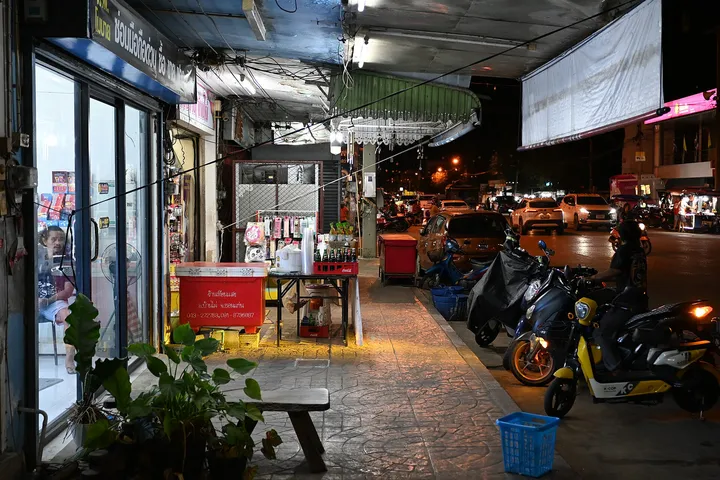
Two coffee stands can sell the same drink and still need very different amounts of money to open. One might lease a storefront, install equipment and prepare the space for customers; another might serve from a shared market stall with some facilities already in place. The product is similar, but the costs of reaching customers and operating legally are not. A useful startup budget begins by identifying those differences, then separates what must be paid once from bills that return each week or month.
The address changes the budget
A storefront typically brings a lease or other property costs, and may require work to make the space suitable for a coffee business. A market stall may have a lower commitment to dedicated space, but its fee, access conditions and included services depend on the arrangement. In either case, the location affects where customers can reach the business and what rules apply. The Small Business Administration notes that location can shape taxes, zoning, rental costs, insurance, utilities, salaries and government fees Small Business Administration.
These are not interchangeable costs. A location with lower rent could require more spending on transport, storage or equipment; a busy site could bring a higher occupancy cost. Those possibilities need to be checked for the actual site, rather than assumed from the business format. A founder should also consider whether zoning permits the activity and what registrations, licenses or permits apply in the chosen jurisdiction Small Business Administration.
Equipment and labor have different shapes
Both stands need a way to prepare and serve coffee, but they may not need the same equipment. A storefront might need counters, plumbing or other fit-out work as well as brewing equipment. A stall might rely on shared infrastructure, or need portable equipment and transport. The budget should list what the business must buy, lease or arrange, rather than treating all equipment as a single guessed figure. Those choices affect both the cash needed before opening and later maintenance costs.
Labor is another variable. The owner may work alone at first, or schedule employees for preparation and service. Local wage rules and the hours needed to cover the operation influence the ongoing payroll budget; the SBA identifies standard salaries and minimum wage laws among expenses that vary by location Small Business Administration. A plan should distinguish labor paid before opening, if any, from wages that recur as the stand operates. Staffing assumptions also affect how many customers the business can serve, so cost and capacity belong in the same forecast.
Separate launch purchases from recurring bills
A startup budget should distinguish one-time or occasional outlays from recurring operating expenses. A grinder or initial build-out may be a purchase made before opening; rent, utilities, wages and supplies can continue after the first sale. Some costs sit between those categories: a deposit is paid upfront but may relate to a continuing rental arrangement, while equipment may need repair or replacement later. Clear labels help a founder see both the cash required to launch and the money needed to keep trading.
The SBA says calculating startup costs can help a business estimate profits, conduct a break-even analysis and seek financing Small Business Administration. Break-even analysis compares fixed costs with the amount left from each sale after variable costs. For a coffee stand, that means considering ongoing overhead alongside the per-drink costs and selling price. A spreadsheet that records assumptions by timing and category makes it easier to spot an omitted bill or understand which costs rise when sales increase.
Choose financing after estimating the need
Consider two hypothetical plans, with no dollar estimates implied. A storefront plan includes a lease commitment and a build-out; a stall plan uses shared space but budgets for portable equipment and moving supplies. The first may require more cash before opening, while the second may trade some fixed property expenses for dependence on the market’s schedule and facilities. Which costs more overall cannot be decided from the product alone; the owner must price the specific arrangements and forecast ongoing operations.
Once the list is credible, the funding mix can be considered against the timing and purpose of each expense. The SBA advises that a funding request explain how much is needed, what it will pay for, and whether the request is for debt or equity Small Business Administration. A business plan can connect those requests to projections and explain how the location and sales approach support the plan Small Business Administration. Estimating costs does not guarantee a profit or a loan; it gives the owner and potential funders a clearer basis for judging the proposal.
Sources & further reading
- Fund your business ↗Small Business Administration
- Launch your business ↗Small Business Administration
- Write your business plan ↗Small Business Administration