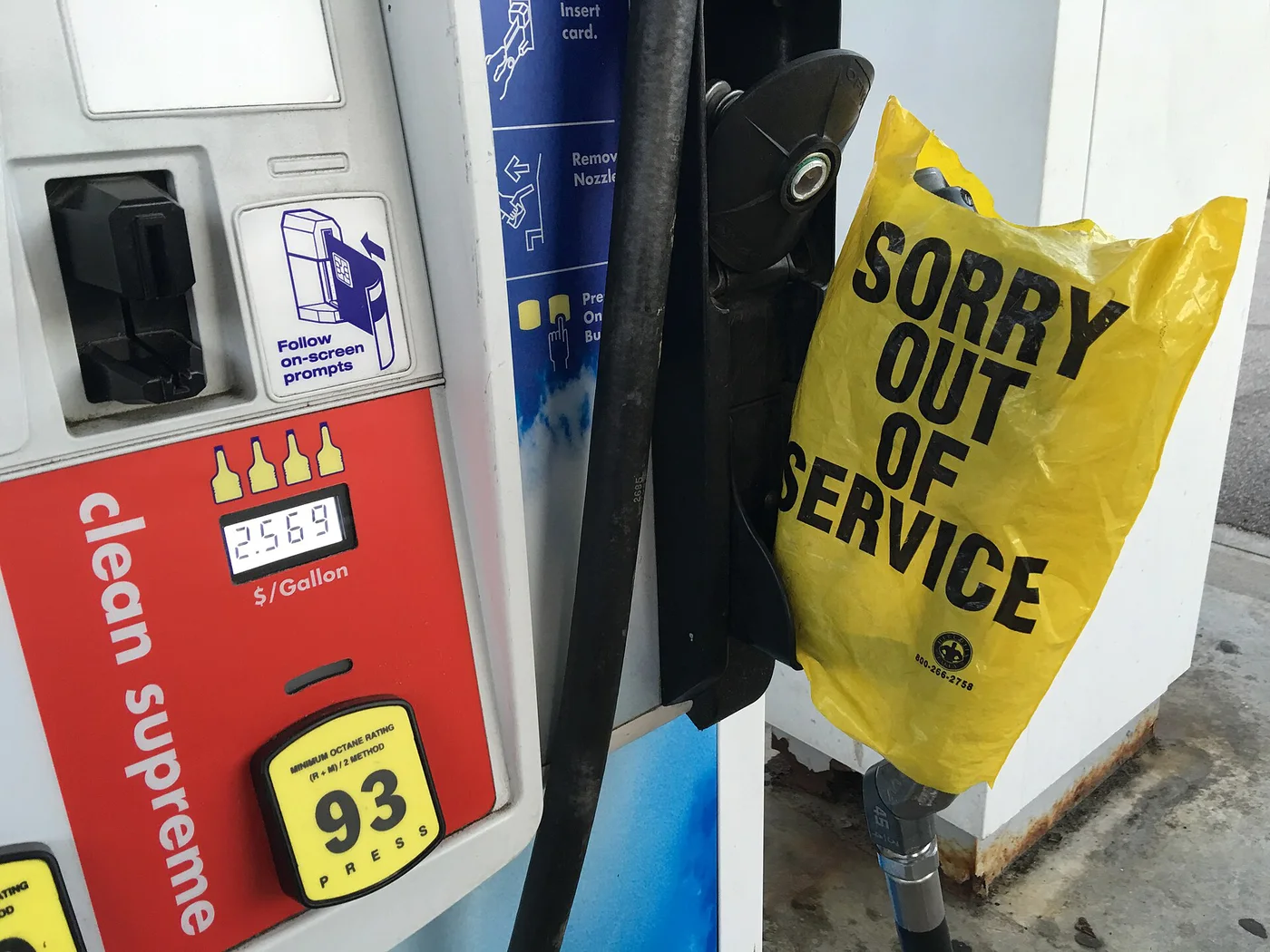
A driver can see a gasoline price change between errands. Rent, by contrast, is usually paid monthly and may stay fixed for the duration of a lease. That difference in visibility is part of the explanation, but the Consumer Price Index also measures gasoline and shelter in different ways. Its gasoline index follows a frequently changing retail price; its shelter index combines housing measures, including rent and owners’ equivalent rent. The result is that a sharp pump move can show up quickly while measured shelter costs shift more slowly.
A pump price has several moving parts
The retail price of gasoline reflects crude oil, taxes, refining costs and profits, and distribution and marketing. Crude oil is the largest component, but it is not the only one. Refining costs can vary by season and region, partly because fuel formulations differ. Demand commonly rises in summer, and local supply, station costs, and competition can affect what drivers see on nearby signs. Those pieces can move on different schedules, so a change in crude prices or a regional supply disruption can work through to retail prices relatively quickly. U.S. Energy Information Administration
The CPI price series is designed to record consumer price change, not explain why a particular station changed its price. BLS says gasoline prices are obtained monthly across its sampled areas, while prices for most other goods and services are collected monthly in the largest areas and every other month in others. The national index combines sampled price changes using expenditure weights. A driver’s local experience can therefore differ from the national average, even when both reflect real prices. Bureau of Labor Statistics
Shelter is not one household’s rent bill
The CPI shelter index includes rent and owners’ equivalent rent, or OER. OER is a measure used for the housing services consumed by homeowners; it is not the mortgage payment or a bill that homeowners pay to themselves. This distinction matters because a renter’s monthly payment is a specific transaction, while the published shelter index is a weighted statistical measure of housing costs across the CPI population. BLS describes the CPI as an average change in prices for a representative basket, not a measure of any one person’s inflation. Bureau of Labor Statistics
Lease terms can also make a household’s rent feel steady even as asking rents, renewals, and rents in other homes change. The shelter index captures price changes across its sampled housing units rather than asking every tenant whether their payment changed this month. Its movement can thus be gradual even when a renter faces a large increase at renewal—or no increase at all. A slower index movement is not evidence that every tenant’s costs are stable. Bureau of Labor Statistics
September showed the contrast
In September 2026, the national CPI gasoline index rose 9.1 percent from August, while the shelter index rose 0.4 percent. Over the 12 months through September, gasoline was up 34.2 percent and shelter 3.2 percent. Those figures describe index changes, not a prediction about what any particular driver or renter paid. They also do not mean gasoline’s increase caused shelter to move at a particular rate; the categories measure different markets. Bureau of Labor Statistics
The month’s gasoline change accounted for more than half of the all-items CPI increase, according to BLS. That is one reason pump swings can attract attention in the headline inflation number. But the contribution of an item to an aggregate index and a household’s experience are separate things: a person who drives little may feel less of the gasoline increase, while a renter facing a lease renewal may feel a much larger housing change than the national shelter index suggests. Bureau of Labor Statistics
Read the two measures on their own terms
A useful comparison starts by asking what price is being tracked, over what period, and for which population. A pump sign gives an immediate local price for a gallon. CPI gasoline and shelter are national indexes assembled from sampled prices, weighted by their importance in consumer spending. BLS cautions that the CPI market basket and procedures reflect an average household, not a specific family or individual. Bureau of Labor Statistics
So gasoline prices can change faster than measured shelter costs because fuel prices adjust frequently with commodity, refining, seasonal, and local conditions, while shelter statistics capture a broader mix of rent and homeowner housing services. Neither measure is a full account of one household’s budget. Looking at the component and its measurement helps explain the apparent gap without treating the index as a personal bill. U.S. Energy Information Administration
Sources & further reading
- Gasoline explained: factors affecting prices ↗U.S. Energy Information Administration
- September 2026 Consumer Price Index ↗Bureau of Labor Statistics
- Consumer Price Index questions and answers ↗Bureau of Labor Statistics