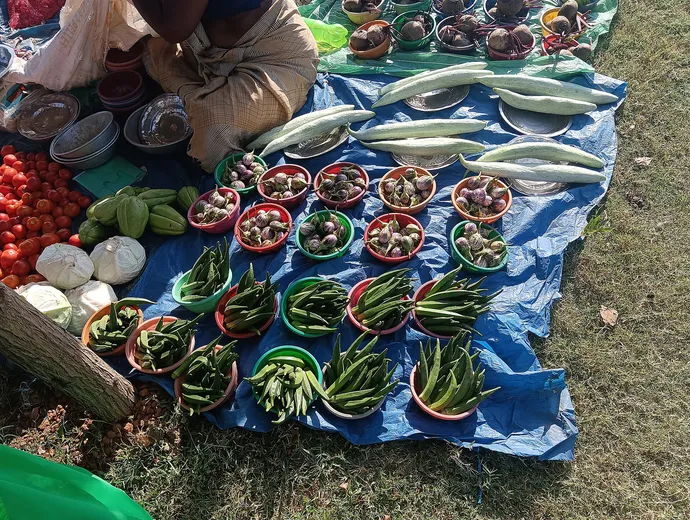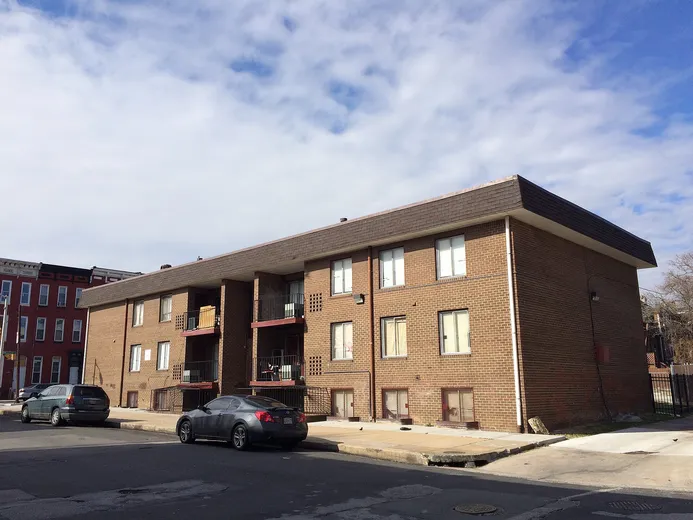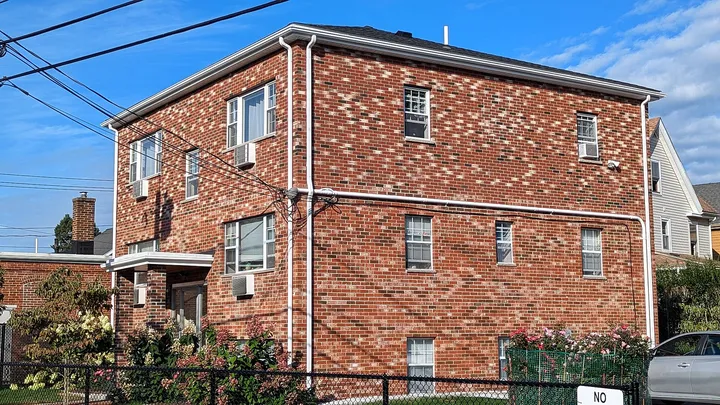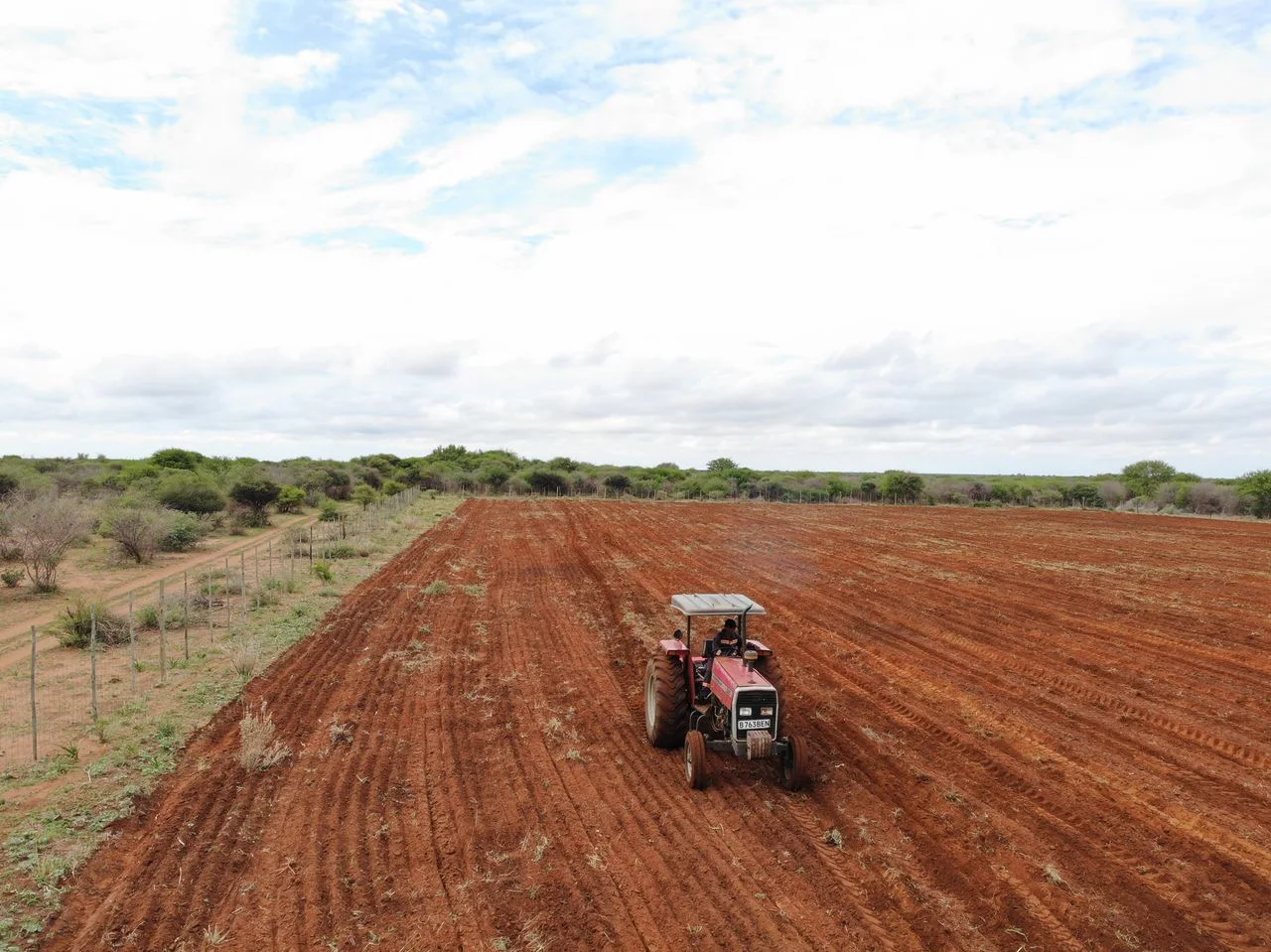
A rural economy is easy to picture through fields, forests or mines, but those visible industries do not describe all the work in a county. Residents also teach, repair equipment, care for patients, sell groceries, build homes and provide services to one another. The mix varies sharply from place to place. USDA research says agriculture, forestry and mining remain important in some rural areas, while service and retail industries accounted for most rural job growth over past decades USDA Economic Research Service.
One county, many kinds of work
Imagine a fictional nonmetro county where a grain operation and a wood-products business are prominent employers. The same county might also have a grocery store, school, clinic, construction crews, repair shops and restaurants. These examples are hypothetical, but they illustrate why a county’s economy cannot be reduced to the sector most visible from the highway. Farming may shape land use and seasonal activity while services and retail provide jobs across the year.
The USDA Economic Research Service (ERS) describes rural business and industry as broader than resource-based work. It identifies agriculture, forestry and mining as important in some rural areas, but says service and retail industries have accounted for most rural job growth in America over the past few decades USDA Economic Research Service. That is a historical statement about job growth across rural America, not a claim that services dominate every county today or that agriculture is unimportant.
Rural is a measurement choice, too
Researchers need a consistent way to decide which communities they are describing. ERS says it and other analysts most often study rural conditions through nonmetropolitan areas defined on the basis of counties. It also uses multi-level county classifications to examine differences within nonmetro America, and sub-county classifications where county boundaries are too broad to distinguish settlement patterns accurately USDA Economic Research Service.
That means “rural” does not always refer to one interchangeable map category. A county-level analysis may include both town centers and sparsely settled areas. Different classifications are useful for different questions, including research and program applications. Readers should notice how a study defines its geography before treating its findings as a description of every rural household or community USDA Economic Research Service.
Jobs connect industries to local demand
A county’s industries create links between employers and residents’ everyday needs. A farm buys equipment repair, fuel, transport and professional services; households spend income at stores and restaurants; schools and clinics employ workers and support surrounding businesses. These connections are a way to understand why a narrow industry count can miss parts of the local labor market. The exact relationships will differ by county, so the fictional example should not be mistaken for a measured case.
ERS frames rural employment research around labor-market conditions such as employment levels, unemployment and labor-force participation, alongside educational attainment USDA Economic Research Service. Those measures capture different things. A low unemployment rate does not tell a reader which industries employ people, and a list of industries does not reveal whether residents are participating in the labor force. Considering both the sector mix and the labor-market measures produces a fuller account than using either alone.
Local patterns resist a single rural story
Rural areas differ in population trends, access to jobs and economic opportunities. ERS reports that the U.S. population in nonmetropolitan areas has increased each year since 2020 due to migration, while some nonmetro areas continue to lose population. It says prospects for population growth and economic expansion vary widely among counties USDA Economic Research Service. These observations caution against treating a national pattern as a forecast for an individual place.
State GDP offers another scale of economic information, but it cannot stand in for a rural county’s job mix. BEA describes state GDP as the value of goods and services produced in each state and publishes industry contributions at the state level Bureau of Economic Analysis. A state increase or decline can coexist with very different county experiences. The practical answer to what makes up a rural economy is therefore a combination: resource industries in some places, services and retail across much of the historical job-growth story, and local mixes best understood with geography and labor-market measures clearly defined.
Sources & further reading
- Rural economy and population ↗USDA Economic Research Service
- GDP by state ↗Bureau of Economic Analysis