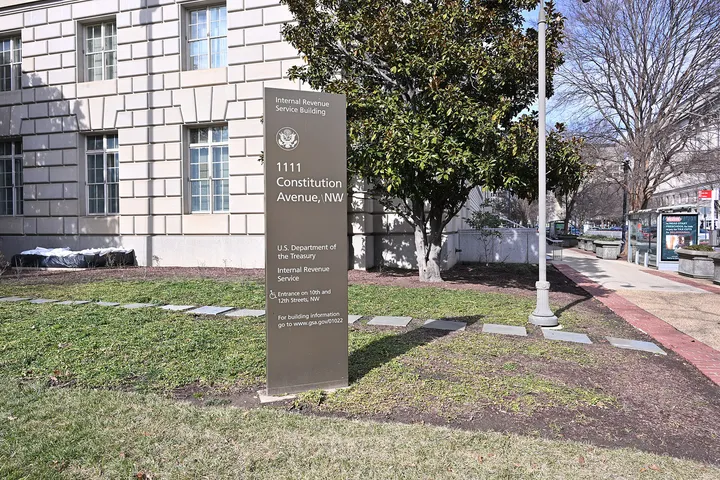
Federal aid reaches communities through programs that can provide grants, loans, scholarships, insurance, and other forms of assistance. The route may involve a federal agency and then a state, local government, organization, business, or individual. To follow the money clearly, separate a program’s public description from an open funding opportunity, a specific award, and cash actually paid out. U.S. General Services Administration
A listing describes a program
The federal Assistance Listings site presents public descriptions of programs that provide federal assistance awards. Readers can search listings across agencies to learn about potential funding sources. The listing is a guide to what a program is; seeing a program there does not show that a particular organization received money or that funds have been spent. U.S. General Services Administration
The distinction is useful because a program can exist without a new application round being open. The listings site directs people seeking grant opportunities to Grants.gov, which is a separate step in the process. A description of the program and an invitation to apply answer different questions: what assistance exists, and whether applicants can seek funding now. U.S. General Services Administration
From opportunity to award
A funding opportunity identifies a chance to apply under a program. An application may then be reviewed, and an award may be made to a recipient. Depending on the program, the recipient could be a state agency, local government, nonprofit, business, or another eligible entity; the award’s terms determine what activities it supports. These stages should not be collapsed into a single claim that a community “got a grant.”
Imagine, hypothetically, that a federal program offers a grant opportunity for community services. A neighborhood organization sees the program listing, then applies through the announced opportunity. If an agency selects the application, it makes an award. The listing itself did not transfer funds, and the award still does not mean every dollar has already been paid.
An obligation is a promise; an outlay is payment
Treasury distinguishes an obligation from an outlay. When an agency awards a grant or signs another binding agreement, it has obligated money: it has committed to pay under the agreement, immediately or in the future. Outlays are money actually paid. A grant can therefore appear as an obligation before the recipient receives the full amount. U.S. Department of the Treasury
This accounting difference matters for news about public spending. An announced award may describe a commitment, while actual spending tracks payments. Payments can occur in stages as work proceeds or conditions are met. A community may have an award on record even while the recipient is still arranging the project or drawing down funds. U.S. Department of the Treasury
Following the chain to local services
A federal award can pass through an intermediary. For example, a federal agency might fund a state program, which then makes awards to local organizations. The federal program’s listing helps identify the assistance category, while records of awards and outlays help trace who received commitments and when money moved. Treasury points readers to federal spending data for obligation details and describes outlays as actual payments. U.S. General Services Administration U.S. Department of the Treasury
The practical question is therefore not just whether a program exists. Ask which agency administers it, whether there is a current opportunity, who received an award, what conditions govern the funds, and whether the public record reports an obligation or an outlay. Those distinctions make it possible to describe community aid accurately, without treating a catalog entry or announced commitment as money already spent. U.S. Department of the Treasury
Sources & further reading
- Assistance listings ↗U.S. General Services Administration
- Federal spending guide ↗U.S. Department of the Treasury