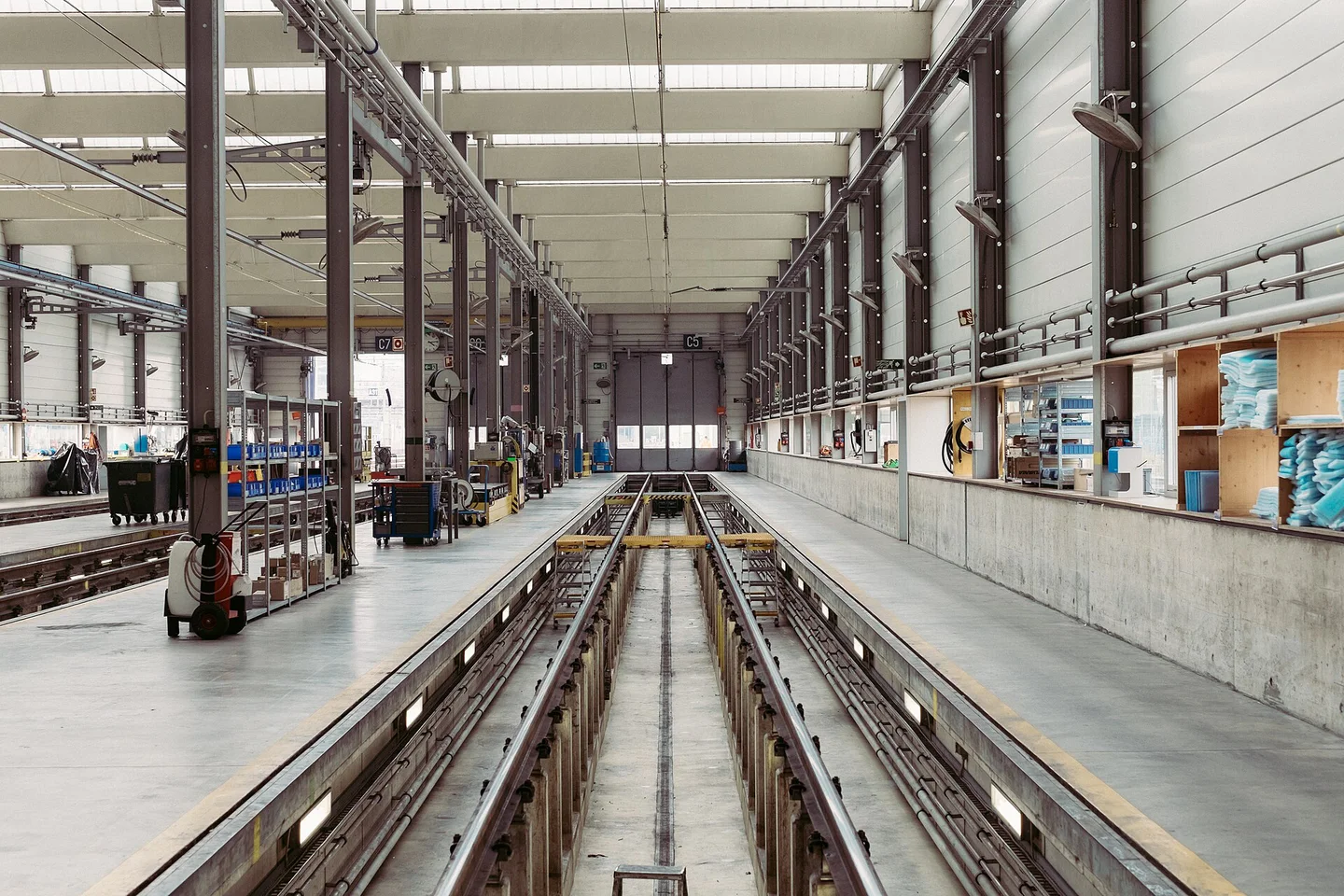
When someone says the economy is growing, they usually mean that the country is producing more goods and services. A fictional manufacturer that turns out more units with the same workforce offers a simple picture of rising output; if it only charges more for the same production, that is a price increase instead. Economists use real gross domestic product, or GDP, as a broad gauge of output growth because it adjusts for inflation. The measure is useful, but it is not a direct reading of every worker’s paycheck or household’s well-being.
Output growth is different from price growth
GDP measures the value of final goods and services produced in the United States. When GDP is reported in current dollars, it reflects market prices in the period being measured. Real GDP adjusts for inflation, allowing comparisons of output across periods without treating higher prices alone as more production. That is why reports about economic growth often focus on the percentage change in real GDP. Bureau of Economic Analysis
Imagine a hypothetical manufacturer that produces 100,000 identical components in one quarter and 105,000 in the next, using the same total labor hours. The additional units represent greater physical output; if the firm instead produced the same number but raised prices, nominal sales might grow while real output did not rise in the same way. This example is fictional and does not describe a real company or national statistic.
Why GDP growth is a common gauge
GDP brings together output across many industries, rather than focusing on one company or a single household’s spending. The Bureau of Economic Analysis estimates national GDP quarterly and also produces state, county, and industry measures. The broad national figure helps people assess the pace of overall production, while those more detailed measures can show where activity is expanding or slowing. Bureau of Economic Analysis
Productivity is related but distinct. The Bureau of Labor Statistics defines labor productivity by comparing output growth with hours worked. In the manufacturer example, producing more units with the same hours would mean higher output per hour. Productivity can help explain how efficiently inputs are converted into output; it does not by itself tell whether workers’ wages, hours, or bargaining power rose alongside production. Bureau of Labor Statistics
Read a quarterly rate carefully
Quarterly GDP changes are commonly stated at annual rates to make them easier to compare with annual growth rates. An annualized rate is not the same as the actual change from one quarter to the next. BEA’s advance estimate for the third quarter of 2026, covering July through September, said real GDP increased at a 3.4 percent annual rate. The release also gave the equivalent quarterly rate as 0.8 percent. Bureau of Economic Analysis
The third-quarter figure was an advance estimate, an early reading that can be revised as additional source data become available. BEA explains that it publishes three estimates for each quarter: advance, second, and third. In the Q3 release, increases in investment, consumer spending, and government spending contributed to growth, partly offset by a decrease in exports. These components help explain the reported aggregate, but the rate alone does not tell which households benefited. Bureau of Economic Analysis
A national average has limits
GDP is an aggregate measure of production, not a household budget survey. It does not say how output or income is distributed, whether costs rose faster than a particular family’s earnings, or whether a worker’s own industry is expanding. Even the same national growth figure can sit alongside very different experiences across industries, regions, and households. BEA itself presents GDP by state and industry as additional ways to examine the economy’s makeup. Bureau of Economic Analysis
The useful distinction is between an economy producing more overall and every person feeling better off. Real GDP growth answers the first question broadly. Productivity measures offer a view of output relative to inputs such as labor hours. Neither measure alone establishes that all workers received higher pay or that all household expenses became easier to manage. Read together with earnings, prices, employment, and distributional evidence, GDP growth provides context rather than a complete account of everyday life.
Sources & further reading
- Gross domestic product explained ↗Bureau of Economic Analysis
- Labor productivity and costs ↗Bureau of Labor Statistics
- Third-quarter 2026 GDP advance estimate ↗Bureau of Economic Analysis